The Dark Architect
A house is a machine to live in, even after death.
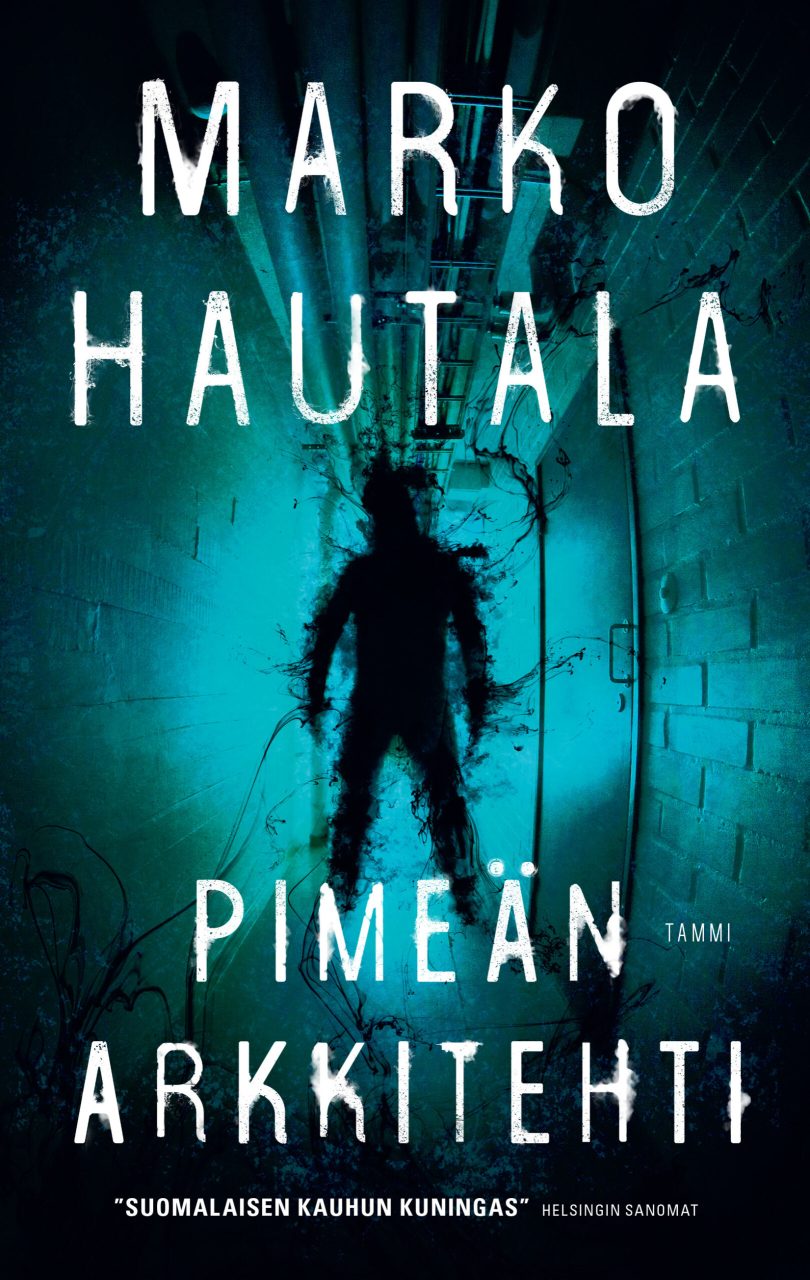
A young man suffering from MDD, maladaptive daydreaming, has travelled the world aimlessly for years with his family’s money. Now his father buys him a moderate flat in a small Nordic city and forces him to finish his studies. He wants his son finally to be a man, not a dreamer.
The block of flats is a prime example of the ideals of the Nordic welfare state. Simple, unassuming, functional. Big windows, efficient use of space, a laundry room and a communal sauna in the basement.
But when darkness falls, everything changes. An unexplained humming resonates in the walls, making sleep impossible. Other more mysterious sounds follow. It seems that through the night someone is running up and down the dark stairway. While the culprit appears to be impossible to find, the echo of bare feet on the stone steps night after night is very real indeed.
When the young man starts to look into the history of his flat, it turns out that the previous resident was a single father who strangled her own daughter to death in the communal sauna. In fact, strange tragedies seem to plague the past and, gradually, also the present of the building.
Looking further back in time, the young man finds out that the first person to live in his flat is someone the old residents call The Architect, a mysterious patriarch who designed the whole building according to an ancient pattern as a machine to live in, even after death.
The Dark Architect is an eerie literary thriller of urban paranoia, and a fresh Nordic take on the most classic and enduring of Gothic tropes, the Haunted House. It also deals with a harrowing conflict of our times, the mistrust and even animosity between generations, whose dreams and nightmares very seldom seem to meet.
Publishing information
Rights sold
- Czech
Reviews
"Best Books of the Year."
“If you live in an old apartment building and are easily scared, you might want to think twice before reading Marko Hautala’s new book. Modern horror writers have for a long time known that more than monsters, adult readers fear disturbances in the perceived reality. Hautala makes the most out of this. Hautala is known as a master of psychological horror, and he doesn’t let you down this time either … From the protagonist’s mind the novel grows to encompass universal themes, ancient myths and the relationship between a father and son.”
“Hautala has often been hailed as the Stephen King of Finland. I don’t think that is true, for Hautala is better. Hautala's metaphors are fresh and witty, making the letters come alive. He knows how to build up horror. Linguistically, this is Hautala’s best book, and the previous ones haven’t been bad either.”
“Hautala knows how to describe states of fear so well that the feeling is absorbed directly into the subconscious. In his hands, even a perfectly normal apartment building turns into the forecourt of hell. A prison from which there is no release (…)Hautala successfully tiptoes between reality and the supernatural. The novel reaches deep into the past as it explores the backgrounds of today’s events. Already almost forgotten cultures and beliefs emerge that continue their eternal play with death and immortality. The Dark Architect is a torturously effective horror novel. The gloomy images it evokes of the menacing shadows of the nocturnal stairwells and the shapeless figures lurking in the corner of the eye will linger in the reader’s mind after the last page.”